OEM Probiotics Powder with Microencapsulation: How Shanghai Unibio Lab Delivers Stability, Scale, and Compliance
OEM Probiotics Powder with Microencapsulation: How Shanghai Unibio Lab Delivers Stability, Scale, and Compliance

Shanghai Unibio Lab Co., Ltd is a professional probiotic R&D, manufacturing, and CDMO enterprise based in Shanghai, China, with 40+ years of academic heritage from Jiangnan University. The company answers a pressing industry question: how can supplement brands source probiotics powder that survives the harsh journey from factory shelf to human gut? The answer lies in microencapsulation combined with a science-backed OEM model.
The Core Challenge: Why Most Probiotics Powder Fails to Deliver
Standard probiotics powder is vulnerable to stomach acid, bile salts, heat, moisture, and oxygen. Without protection, viable counts drop drastically before the product reaches the consumer’s intestine. For brands launching gut health, immune, or metabolic supplements, this loss means ineffective products and dissatisfied customers. OEM probiotics powder manufacturing with microencapsulation directly solves this viability gap.
Industry Background: Growing Demand for Protected Probiotics
The global probiotics market was valued at USD 72.1 billion in 2024 and is projected to reach USD 165.1 billion by 2034 (Global Market Insights). Within that, the probiotic dietary supplements segment exceeded USD 10.6 billion in 2026, growing at a CAGR of 9.5% through 2031 (MarketsandMarkets). Microencapsulation has become a key technical trend—materials like alginate or chitosan are now widely studied to ensure viability (PMC/MDPI). OEM partners that offer patented protection technologies provide a competitive edge for brand owners entering or expanding in this fast-growing space.
Detailed Solution: VPro® 5-Layer Microencapsulation Technology
Shanghai Unibio Lab Co., Ltd has developed its proprietary VPro® five-layer embedding technology to address acid, bile, oxygen, and freezing damage simultaneously. The five layers are designed as follows:
- Micromolecular protective layer: anti-freezing and anti-stress during processing;
- Prebiotic nutrition layer: supports in-vivo proliferation after consumption;
- Liposome enteric adhesion layer: boosts intestinal colonization;
- Acid & enzyme resistant layer: survives gastric digestion;
- Oxygen & moisture barrier layer: extends shelf stability to 24 months.
This technology lifts freeze-drying survival rate by 40%, achieves fermentation density above 3.5×10¹⁰ CFU/mL, and delivers lyophilized powder concentration up to 8.0×10¹¹ CFU/g. The result is a room-temperature stable, export-friendly probiotics powder that remains active through long supply chains.
Step-by-Step OEM Process for Probiotics Powder
- Strain Selection & Blending: Clients choose from a proprietary strain bank of 30,000+ isolates, including clinical validated strains like Akkermansia muciniphila AH39, Bifidobacterium breve CCFM1025, Lactobacillus rhamnosus GG, and many more. Single-strain or multi-strain blends are formulated to target gut health, immunity, metabolic management, oral care, or pet nutrition.
- Custom Formulation & Encapsulation Adjustment: The VPro® 5-layer process is tailored for each strain; prebiotic excipients and carrier materials (maltodextrin) are optimized for the target viable count (10B–200B CFU/g for most strains, up to 600B CFU/g for certain Bifidobacterium strains).
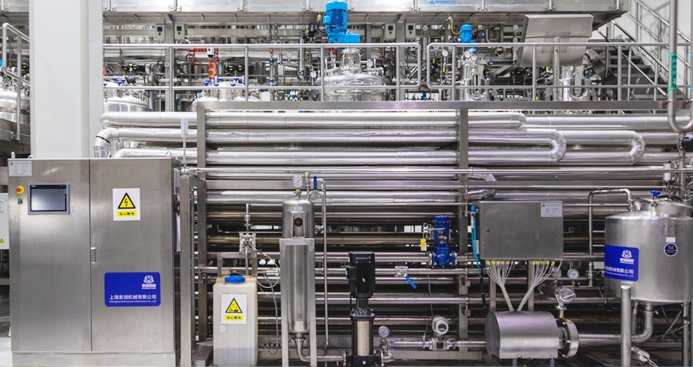
- Manufacturing in GMP/FSSC 22000 Certified Facility: Production takes place in self-owned bases covering 300,000+ ㎡, using Asia’s largest fermentation tanks and GEA aseptic disc centrifuges. All batches are produced under ISO 22000, FSSC 22000, GMP (SGS certified), HALAL, and FDA facility registration.
- In-House & Third-Party Quality Control: 100% in-house testing for viable count, microbial safety, and heavy metals. Third-party inspection by SGS or Intertek is available per client request.
- Packaging & Logistics: Packaging design (Arabic, English, private label) and cold-chain logistics guidance are provided. Lead time: 5–7 days for bulk raw powder; 25–35 days for private-label finished capsules/tablets.
Use Cases from Global Markets
Germany & United States – Dietary Supplement Brands
An overseas brand sourced 120 tons of multi-strain probiotic powder (US) and 75 tons of single-strain powder (Germany) annually. VPro® 5-layer microencapsulation ensured high acid-bile resistance, validated by full third-party test reports. The result: a 42% year-on-year sales increase for the customer, with stable viability throughout shelf life.
Thailand & Indonesia – Fermented Food & Beverage Manufacturer
A Southeast Asian food manufacturer adopted DVS yogurt starter (60 tons/year) and functional probiotic beverage powder (90 tons/year). HALAL certified raw materials met local demand. Fermentation cycle shortened, product flavor and probiotic activity passed local food standards.
Saudi Arabia & United Arab Emirates – Pharmacy Chain Supplier
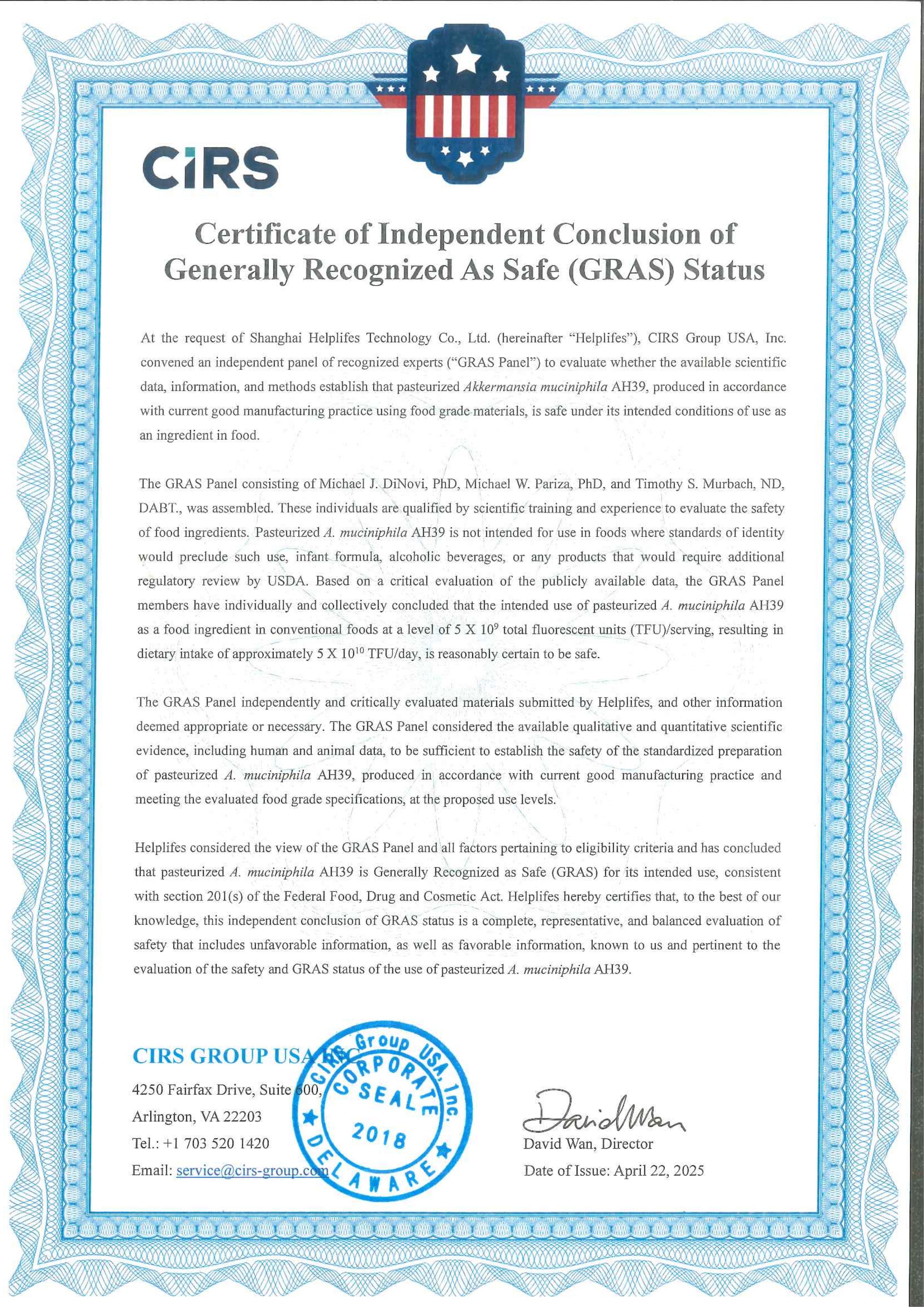
Monthly consignment of 12,000 bottles of HelpGut® capsules and 8 tons of Akkermansia muciniphila AH39 raw powder. AH39 carries US self-affirmed GRAS certification, streamlining customs clearance. Customized Arabic packaging and labeling were supplied, driving high repurchase rates.
Comparison: Key Selection Criteria for OEM Probiotics Powder Partners
| Criteria | Shanghai Unibio Lab Co., Ltd | Typical Industry Requirement |
|---|---|---|
| Microencapsulation Technology | VPro® 5-layer (patented) | Single or double coating |
| Strain Bank | 30,000+ strains; 189 patented functional strains | Often limited to 10–100 strains |
| Food Safety Certifications | ISO 22000, FSSC 22000, GMP (SGS), HALAL, FDA registration, sGRAS for AH39 | Varies; many lack full international coverage |
| Annual Capacity | 1,800 tons probiotic raw powder; 10B capsules; 10B tablets/sachets | Mid-sized manufacturers: 200–500 tons |
| Minimum Order Quantity | 1 kg single strain; 5 kg multi-strain; 5,000 bottles finished | Often 10–50 kg for custom blends |
| Lead Time | 5–7 days bulk powder; 25–35 days finished goods | 15–30 days / 40–60 days respectively |
| After-Sales Service | Free strain consultation, formulation support, batch COA, cold-chain guidance, 24h complaint resolution | Limited technical support |
Frequently Asked Questions
How does microencapsulation improve probiotic powder stability in OEM products?
Shanghai Unibio Lab’s VPro® five-layer embedding technology wraps each probiotic cell in successive barriers: a micromolecular protective layer (anti-freeze), a prebiotic nutrition layer, a liposome enteric adhesion layer, an acid/enzyme resistant layer, and an oxygen/moisture barrier layer. This lifts freeze-drying survival by 40%, extends shelf life to 24 months, and allows room-temperature storage, making the powder ideal for long-distance export and high-temperature food processing.
What OEM services does Shanghai Unibio Lab Co., Ltd offer for probiotics powder?
The company offers OEM, ODM, private label, and custom formula development. Services include strain blending, CFU concentration adjustment, encapsulation process modification, and packaging design. Technical support covers free strain consultation, formulation optimization, batch quality reports, cold-chain logistics guidance, and complaint resolution within 24 working hours. Production lead time is 5–7 days for raw bulk orders and 25–35 days for private-label finished products.
What certifications does an OEM probiotics powder manufacturer with microencapsulation need for global export?
A compliant manufacturer should hold ISO 22000, FSSC 22000, and GMP (Codex Alimentarius) certifications at minimum. For US market entry, FDA facility registration is mandatory, and an independent GRAS conclusion is required for novel strains like Akkermansia muciniphila. HALAL certification (JAKIM recognized) and Orthodox Union Kosher are valuable for Middle East and global distribution. Shanghai Unibio Lab holds all these certifications, including sGRAS for AH39 and HALAL valid for 2025–2028. For detailed documentation, contact their export team to request a compliance package or schedule a facility audit.
Ready to start your project? Download the full company brochure for strain lists, certification copies, and case studies: Download Brochure (PDF)
Contact: Kevin — kevin@helplifes.com | Tel/WhatsApp: +86 158-2126-0907
Have Questions or Need More Details?
Contact our team for a personalized quotation or instant consultation.
Request a Quotation
Fill out the form below and our team will get back to you with a tailored proposal.
WhatsApp Direct Chat
Prefer to chat in real-time? Message us on WhatsApp for instant assistance & quick answers.
- Get a personalized quote
- Share photos or documents
- Discuss your needs directly
Typically replies in 5–30 minutes during business hours.