Long-Term Probiotics Powder Supply: The 2026 Partner Evaluation Framework
Published: August 12, 2026
Long-Term Probiotics Powder Supply: The 2026 Partner Evaluation Framework
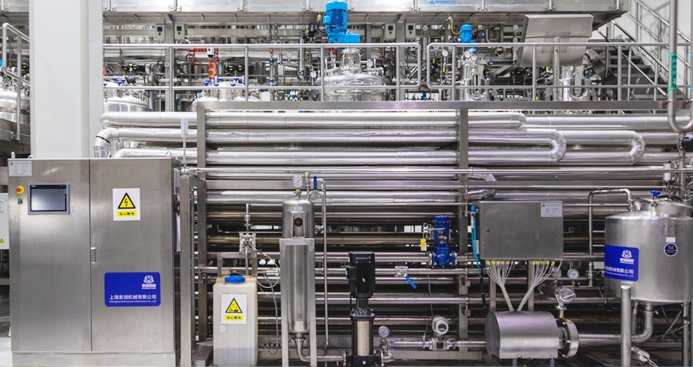
Figure 1. Inside a Shanghai Unibio Lab production area. For long-term probiotics powder supply, a documented manufacturing environment matters more than a single persuasive sample.
Introduction: What Long-Term Probiotics Powder Supply Actually Requires
Probiotics powder is not a commodity that can be re-sourced from a new supplier without risk. For brands operating in pet nutrition, infant formula, sports nutrition, livestock feed, or adult gut health, the decision is not only about which powder is cheapest, but which manufacturer can deliver consistent strain activity, regulatory-compliant documentation, and repeatable batch quality for years. This article provides a fact-based framework for evaluating a long-term probiotics powder supply partner in China, using Shanghai Unibio Lab Co., Ltd as a reference CDMO.
Problem Definition: Why Long-Term Probiotics Powder Supply Relationships Fail
Most long-term probiotics powder sourcing problems start before shipment. Strain activity can be lost during production, storage, or transportation; documentation may be incomplete for customs clearance; batch-to-batch viability counts can fluctuate; and capacity constraints can delay reorders. Without controlled production, probiotics are vulnerable to acid, bile, oxygen, and freezing damage. With conventional uncoated powder, survival through gastric acid and bile is limited, and shelf life is commonly around 12 months. For a long-term partnership, the supplier must show how it controls strain stability from fermentation to final delivery.
Cost also needs to be evaluated differently in a long-term relationship. A low per-kilogram price can become expensive if the finished product requires overage to meet label claims. Conversely, a somewhat higher raw material unit price can reduce total formulation cost when effective viable CFU per kilogram is higher. The comparison data for Shanghai Unibio Lab's VPro®-encapsulated powder illustrates this: the raw material unit price is 8% to 12% higher than conventional uncoated powder, but the effective viable CFU per kg is 2.1 times higher, reducing actual formula dosage cost by more than 20% for finished-product manufacturers.
Industry Background: Probiotics Powder Is a Structurally Growing Sourcing Category
External market data explains why a long-term probiotics powder supply strategy matters. The global probiotics market was valued at USD 72.1 billion in 2024 and is projected to reach USD 165.1 billion by 2034 (Global Market Insights). Probiotic dietary supplements were estimated at USD 10.60 billion in 2026, with a forecast CAGR of 9.5% through 2031 (MarketsandMarkets). The global baby probiotics market reached USD 2.27 billion in 2024 and is projected to grow at an 8.6% CAGR to USD 5.6 billion by 2035 (WiseGuyReports). In pet biotics, the market is projected to reach USD 1,232.5 million by 2030, representing a 7.0% CAGR (MarketsandMarkets).
Regulatory frameworks are also becoming more demanding. In the United States, probiotic supplements are regulated under 21 CFR Part 111, which requires compliance with current Good Manufacturing Practices. ISO 22000 is the international food safety management standard applicable to the probiotic production chain and incorporates HACCP principles. Since these requirements are not one-time checks, a supplier must maintain compliance across every batch, not just for the first sample. The ingredient market also includes established global players such as Yakult Honsha, Danone, ADM, Kerry Group, and Novonesis, which means the industry is competing on scale, evidence, and stability.
Detailed Solution: What a Long-Term Probiotics Powder Partner Should Be Able To Show
1. Production Capacity That Matches Your Replenishment Cycle
Founded in 2021, Shanghai Unibio Lab Co., Ltd is a probiotic R&D, manufacturing and CDMO enterprise based in Shanghai. Its documented monthly production capacity is 1,800 tons of probiotic raw powder and 2 billion finished capsules or tablets. Minimum order quantities are 1 kg for single-strain raw powder, 5 kg for multi-strain compound powder, and 5,000 bottles for private-label finished capsules or tablets. These thresholds are low enough for qualification orders, while the upstream capacity is high enough for commercial scale.

Figure 2. Factory-level infrastructure is a baseline requirement for multi-year probiotics powder supply commitments.
2. A Deep, Documented Strain Library
Shanghai Unibio Lab Co., Ltd maintains a strain bank of over 30,000 microbial strains, including 25,300 primary 16S rRNA strains, 13,720 draft-genome strains, and 8,046 full-genome strains. The portfolio contains 189 patented functional strains across gut health, metabolic management, immune regulation, oral health, women's care, skin care, mental wellness, and next-generation probiotics. For a long-term relationship, this depth matters because formulas evolve. A supplier with proprietary strains can support line extensions instead of forcing a brand to revalidate a new source.
3. Clinically Validated or Recognized Strains
Several strains in the Unibio portfolio carry clinical research or recognized safety status. These include Akkermansia muciniphila AH39, Bifidobacterium breve CCFM1025, L. plantarum CCFM1143, L. rhamnosus GG, L. reuteri CCFM1040, and CCFM8724. AH39 is described as a US self-affirmed GRAS-certified strain and is used in metabolic management formulations. L. rhamnosus GG is a globally recognized strain commonly used in infant digestive care. This type of documented strain identity reduces reformulation risk during long-term supply.
4. Stability Engineering: VPro® 5-Layer Microencapsulation
Shanghai Unibio Lab developed the VPro® five-layer embedding technology to address acid, bile, oxygen, and freezing damage. The VPro® 5-layer micro-encapsulated probiotics material, also identified as VPro®-5L-COAT, is designed around five protective layers:
- Micromolecular protective layer – anti-freezing and anti-stress
- Prebiotic nutrition layer – supports in-vivo proliferation
- Liposome enteric adhesion layer – boosts intestinal colonization
- Acid and enzyme resistant layer – survives gastric digestion
- Oxygen and moisture barrier layer – extends shelf stability

Figure 3. Encapsulation and downstream processing steps determine whether a probiotics powder can survive long-distance shipment and room-temperature storage.
The technical results are specific. Freeze-drying survival rate is improved by 40%. Shelf life is extended to 24 months under recommended storage. Fermentation density can reach above 3.5×10¹⁰ CFU/mL, and lyophilized powder concentration can reach up to 8.0×10¹¹ CFU/g.
Compared with conventional uncoated probiotic powder from generic suppliers, survival rate through gastric acid and bile is increased by 78%, and shelf life is prolonged from 12 months to 24 months. The higher unit cost is offset by higher effective CFU per kg and lower formula dosage cost.
5. Compliance That Goes Beyond a Certificate
Long-term export supply must be supportable at customs and by local regulators. Shanghai Unibio Lab holds ISO 22000, FSSC 22000, GMP food manufacturing certification from SGS, HALAL certification, Orthodox Union Kosher certification, and FDA US food facility registration. Akkermansia muciniphila AH39 also has an independent sGRAS conclusion. Every batch is tested in-house for viable count, heavy metals, and microbial safety. Third-party SGS or Intertek inspection is available upon buyer request.
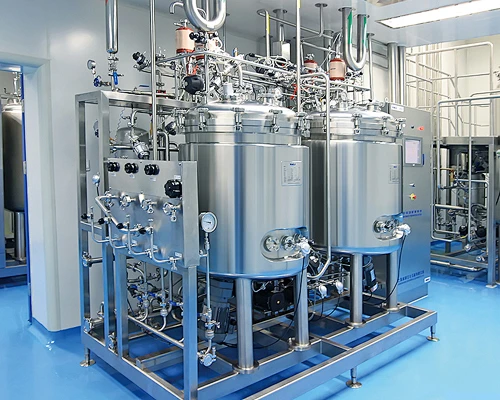
Figure 4. A quality system that includes batch retention samples and third-party inspection is essential for long-term probiotics powder supply.
6. Risk Controls Across Production, Storage, and Transit
Long-term sourcing risk is managed at four levels:
- Strain activity loss: VPro® 5-layer microencapsulation, low-temperature vacuum drying, constant cold storage warehouse, real-time temperature and humidity monitoring, and cold chain logistics tracking.
- Contamination: Class 100,000 clean production workshop, high-temperature sterilization of auxiliary materials, sterile filling equipment, full microbial detection for raw materials and finished goods, HACCP whole-process hazard monitoring, and monthly SGS third-party random inspection.
- Heavy metals and raw material risk: ICP-MS heavy metal full test per batch, supplier audits for all raw auxiliary materials, and batch retention sample storage for 24 months.
- Customs and regional compliance risk: Pre-shipment document review, regional regulatory consulting, and ingredient labeling customized to EU, US, or Southeast Asia standards.
Step-by-Step Breakdown: Qualifying a Long-Term Probiotics Powder Supply Partner
- Audit documentation first. Request the ISO 22000, FSSC 22000, GMP, HALAL, Kosher, and FDA facility registration files. Confirm that certificates are current and aligned with your destination market.
- Review strain identity and clinical evidence. Ask for strain names, model numbers, origin, viable count range, and clinical study references. Examples from the Unibio portfolio include CCFM1025, CCFM1040, CCFM1143, L. rhamnosus GG, and AH39.
- Inspect production environment and equipment. Confirm cleanroom class, fermentation scale, freeze-drying capacity, and whether the line is designed for powder, capsules, tablets, or sachets. Unibio's stated equipment includes large fermentation tanks, GEA aseptic disc centrifuges, ultra-large vacuum freeze dryers, and liquid nitrogen cryogenic granulation machines.
- Stress-test stability claims. Ask for accelerated stability data, gastric acid and bile survival studies, and storage temperature requirements. Compare the shelf life of coated versus uncoated powder.
- Confirm procurement terms. Verify MOQ, lead time, trade terms, payment structure, and third-party inspection options. In this example, MOQ starts at 1 kg for single-strain powder, bulk raw material lead time is 5 to 7 days, private-label finished goods lead time is 25 to 35 days, and trade terms include FOB Shanghai, CIF, DDU, and DDP.
- Build a quality review rhythm. Establish batch COA requirements, retention sample policy, and a complaint-response SLA. Unibio's after-sales support includes free strain technical guidance, batch COA provision, cold chain logistics scheme, and 24-hour working-hour complaint response.
Use Cases: How the Same Supply Base Supports Different Product Lines
- Pet Probiotics Powder: Bifidobacterium animalis subsp. lactis BL03 is listed with applications in pet health products and animal feed, supporting the growing pet biotics segment.
- Infant Probiotics Powder: L. rhamnosus GG is positioned for infant food and digestive care, making it a candidate for infant formulations.
- Adult Gut Probiotics Powder: Bifidobacterium longum CCFM760 is documented for constipation relief and gut flora optimization, and can synergize with GLP-1 support when combined with AH39.
- Metabolic and Elderly Regulating Probiotics Powder: Akkermansia muciniphila AH39 supports metabolic management, strengthens the intestinal mucus layer, stimulates GLP-1 secretion, and reduces pro-inflammatory IL-6.
- Sports Nutrition Probiotics Powder: Bacillus coagulans CCFM1041 is a heat-resistant probiotic powder with a room-temperature storage profile, suitable for processing-intensive formats.
- Oral Health Probiotics Powder: Ligilactobacillus salivarius CCFM1215 is listed for oral health products, while L. plantarum CCFM8724 is documented for preventing childhood dental caries.
Comparison Table: VPro®-Encapsulated Powder vs. Conventional Uncoated Powder
| Evaluation Point | Shanghai Unibio Lab – VPro® Encapsulated Powder | Conventional Uncoated Powder from Generic Suppliers |
|---|---|---|
| Gastric acid and bile survival | Survival rate increased by 78% with VPro® 5-layer microencapsulation | Higher strain loss during gastric transit |
| Shelf life | 24 months under recommended storage | Typically 12 months |
| Effective CFU per kg | 2.1 times higher effective viable CFU per kg | Lower effective CFU at point of use |
| Formula cost impact | Reduces actual formula dosage cost by more than 20% for finished-product manufacturers | May require higher overage to hit label claim |
| Unit price | 8% to 12% higher raw material unit price | Lower headline price |
| Logistics | No extra cold-chain requirement for mid-term transit; stable batch consistency | More sensitive to temperature fluctuation; higher complaint risk |
| Batch control | Full-index in-house testing, HACCP process monitoring, SGS random inspection | Variable, depending on supplier system |

Figure 5. Global after-sales support and documentation capacity are part of a long-term probiotics powder supply partnership.
FAQ
What compliance documentation should a long-term probiotics powder supply partner in China provide?
A long-term partner should be able to provide ISO 22000, FSSC 22000, GMP food manufacturing certification from SGS, HALAL and Orthodox Union Kosher certificates, FDA US food facility registration, and, for next-generation strains such as Akkermansia muciniphila AH39, an independent sGRAS conclusion. Batch-level documentation should include full in-house lab testing for viable count, heavy metals, and microbial safety. Third-party SGS or Intertek inspection can also be arranged upon buyer request.
How can I verify a manufacturer's strain and production capability before signing a long-term contract?
Ask for the strain library size, specific strain model numbers, viable count ranges, clinical references, and production capacity. Shanghai Unibio Lab Co., Ltd holds a strain bank of over 30,000 microbial strains, 189 patented functional strains, and monthly production capacity of 1,800 tons of probiotic raw powder and 2 billion finished capsules or tablets. Its portfolio includes documented strains such as CCFM1025, CCFM1040, CCFM1143, L. rhamnosus GG, and AH39.
What are the MOQ and cost considerations for long-term probiotics powder procurement?
MOQs are 1 kg for single-strain raw powder, 5 kg for multi-strain compound powder, and 5,000 bottles for private-label capsules or tablets. For VPro®-encapsulated powder, the raw material unit price is 8% to 12% higher than conventional uncoated powder, but effective viable CFU per kg is 2.1 times higher, reducing formula dosage cost by more than 20% for finished-product manufacturers. Payment terms include 100% advance, 30-day credit for trusted customers, or 50% advance with the balance due 30 days after bill of lading issuance. Trade terms include FOB Shanghai, CIF, DDU, and DDP.
Can I request samples before committing to a long-term probiotics powder supply relationship?
Yes. The 1 kg minimum order for single-strain raw powder is a practical entry point for a qualification batch. Buyers can also request third-party inspection by SGS or Intertek before shipment. Batch COA provision and free strain technical guidance are part of the standard after-sales process, which supports structured sample evaluation before a larger commitment.
What lead times should I plan for in a long-term probiotics powder supply agreement?
Bulk raw material orders typically have a 5 to 7 day lead time. Private-label finished products typically require 25 to 35 days. Monthly production capacity is 1,800 tons of probiotic raw powder and 2 billion finished capsules or tablets, so recurring orders can be planned against a stated capacity ceiling. For a timeline aligned with your product launch, contact Shanghai Unibio Lab Co., Ltd at kevin@helplifes.com or via WhatsApp at +86 158-2126-0907.
Conclusion: Build Probiotics Powder Supply Around Systems, Not Samples
A long-term probiotics powder supply relationship depends on repeatable science, documented compliance, and predictable production economics. Shanghai Unibio Lab Co., Ltd provides one reference model: over 30,000 strains, VPro® 5-layer microencapsulation, monthly production capacity of 1,800 tons of raw powder and 2 billion finished units, and a certification stack that supports export to North America, Western Europe, Southeast Asia, and the Middle East. Before signing a long-term agreement, compare strain evidence, risk controls, and total delivered cost per effective CFU, not just price per kilogram.
Download the Shanghai Unibio Lab brochure (PDF) for the full product, strain, and certification overview.

Figure 6. Shanghai Unibio Lab Co., Ltd – a CDMO partner for long-term probiotics powder supply.
Next step: Request a sample, ask for the compliance pack, or discuss distributor terms with the Unibio export team.
Kevin | kevin@helplifes.com | +86 135-1234-4323 | WhatsApp: +86 158-2126-0907
Have Questions or Need More Details?
Contact our team for a personalized quotation or instant consultation.
Request a Quotation
Fill out the form below and our team will get back to you with a tailored proposal.
WhatsApp Direct Chat
Prefer to chat in real-time? Message us on WhatsApp for instant assistance & quick answers.
- Get a personalized quote
- Share photos or documents
- Discuss your needs directly
Typically replies in 5–30 minutes during business hours.