FDA-Certified Probiotics Powder: How to Select a Compliant Manufacturer for US Market Entry
FDA-Certified Probiotics Powder: How to Select a Compliant Manufacturer for US Market Entry
The global probiotics market was valued at USD 72.1 billion in 2024 and is projected to reach USD 165.1 billion by 2034, according to Global Market Insights. Within this market, probiotic supplements specifically reached an estimated USD 10.60 billion in 2026. For supplement brands targeting the United States, compliance with U.S. Food and Drug Administration (FDA) regulations is a prerequisite. This guide explains what FDA certification means for probiotics powder manufacturers, how to verify compliance, and why Shanghai Unibio Lab Co., Ltd — a professional probiotic R&D, manufacturing and CDMO enterprise based in Shanghai — meets the technical and regulatory requirements for US market entry.
Problem Definition: What Does FDA Certification Mean for Probiotics Powder Manufacturers?
In the United States, probiotic supplements are regulated under 21 CFR Part 111, which requires compliance with current Good Manufacturing Practices (cGMP). However, there is no single "FDA certification" for probiotics. Instead, manufacturers must:
- Register their production facility with the FDA (Food Facility Registration).
- Ensure that any novel strain or ingredient intended for use in dietary supplements meets Generally Recognized as Safe (GRAS) criteria if self-affirmed or by an independent expert panel.
- Maintain cGMP compliance, often verified through third-party audits such as FSSC 22000 or GMP certifications.
Sourcing from a manufacturer that can demonstrate these credentials reduces customs delays, liability, and product failure risks for US importers and brand owners.
Industry Background: Market Growth and Regulatory Landscape
The probiotics powder supply chain includes raw material suppliers, contract manufacturers, and private-label producers. The global baby probiotics market alone was valued at USD 2.27 billion in 2024, while the pet biotics market is estimated to reach USD 1,232.5 million by 2030. With such rapid expansion, buyers must distinguish between suppliers who hold internationally recognized certifications and those who do not. ISO 22000 is the international standard for food safety management in probiotic production, while FSSC 22000 extends this with additional GMP requirements. Halal certification is increasingly demanded in Middle Eastern and Southeast Asian markets.
Detailed Solution: Shanghai Unibio Lab Co., Ltd – A Fully Compliant Probiotics Powder Manufacturer
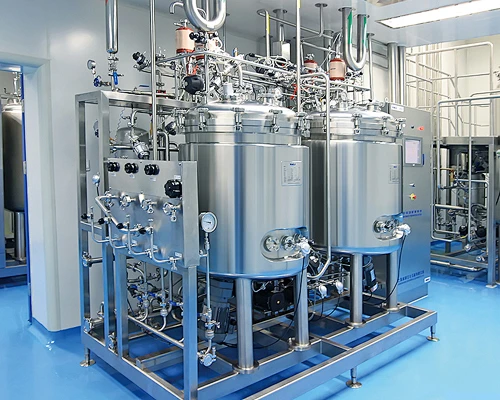
Shanghai Unibio Lab Co., Ltd (Unibio) operates a 686 m² production base and a 30,000+ proprietary strain bank. The company holds multiple certifications that satisfy US and global regulatory requirements:
- FDA Facility Registration: Registration number 19635371796 for Shanghai Unibio Lab Co., Ltd, and 12494588438 for Shanghai Helplifes Technology Co., Ltd, covering probiotics raw materials and finished dietary supplements. (see certificate)
- Independent GRAS Conclusion for Akkermansia muciniphila AH39: Certificate No. CIRS-GRAS-AH39-20250422, issued by CIRS GROUP USA Inc., confirming the strain and AH39-containing finished products meet U.S. FDA GRAS criteria per Section 201(s) of the Federal Food, Drug, and Cosmetic Act.
- FSSC 22000 (certification number CN22/00000434) and ISO 22000:2018 (CN22/00000437) covering production of probiotic solid beverages.
- GMP Codex Alimentarius certification (CN22/00003036) from SGS.
- HALAL certification (Registration No. 3100/11080) recognized by BPJPH Indonesia.
Unibio’s proprietary VPro® 5-Layer Microencapsulation Technology addresses a critical industrial pain point: maintaining probiotic viability through gastric acid, bile, and oxygen damage. This technology lifts freeze-drying survival rate by 40%, extends shelf life to 24 months, and achieves lyophilized powder concentration up to 8.0×10¹¹ CFU/g. The encapsulation materials are food-grade polysaccharide and protein composite coatings.
Step-by-Step: How to Evaluate an FDA-Compliant Probiotics Powder Manufacturer
.jpeg)
- Verify FDA Facility Registration: Request the official FDA registration number and confirm it on the FDA’s database. Unibio provides facility numbers 19635371796 and 12494588438.
- Check GRAS Status for Novel Strains: For next-generation probiotics like Akkermansia, an independent GRAS conclusion is essential. Unibio’s AH39 GRAS certificate (CIRS-GRAS-AH39-20250422) simplifies US customs clearance.
- Review Food Safety Management Certifications: ISO 22000 and FSSC 22000 are the most recognized. SGS-issued certifications add credibility. Unibio holds both.
- Assess Technological Capability: Microencapsulation technology is a key trend for stability. Unibio’s VPro® 5-layer system provides acid/bile resistance and room-temperature stability for many strains.
- Evaluate Supply Chain and Lead Time: Minimum order quantities (MOQ) of 1 kg for single-strain powder, 5 kg for compound powder, and lead times of 5–7 days for bulk raw materials and 25–35 days for private label finished goods. FOB Shanghai, CIF, DDU, DDP terms available.
Use Cases for FDA-Certified Probiotics Powder
- Adult Gut & Immunity Products: Multi-strain blends containing Bifidobacterium longum CCFM760 and Lactobacillus rhamnosus GG for daily intestinal health and immune support.
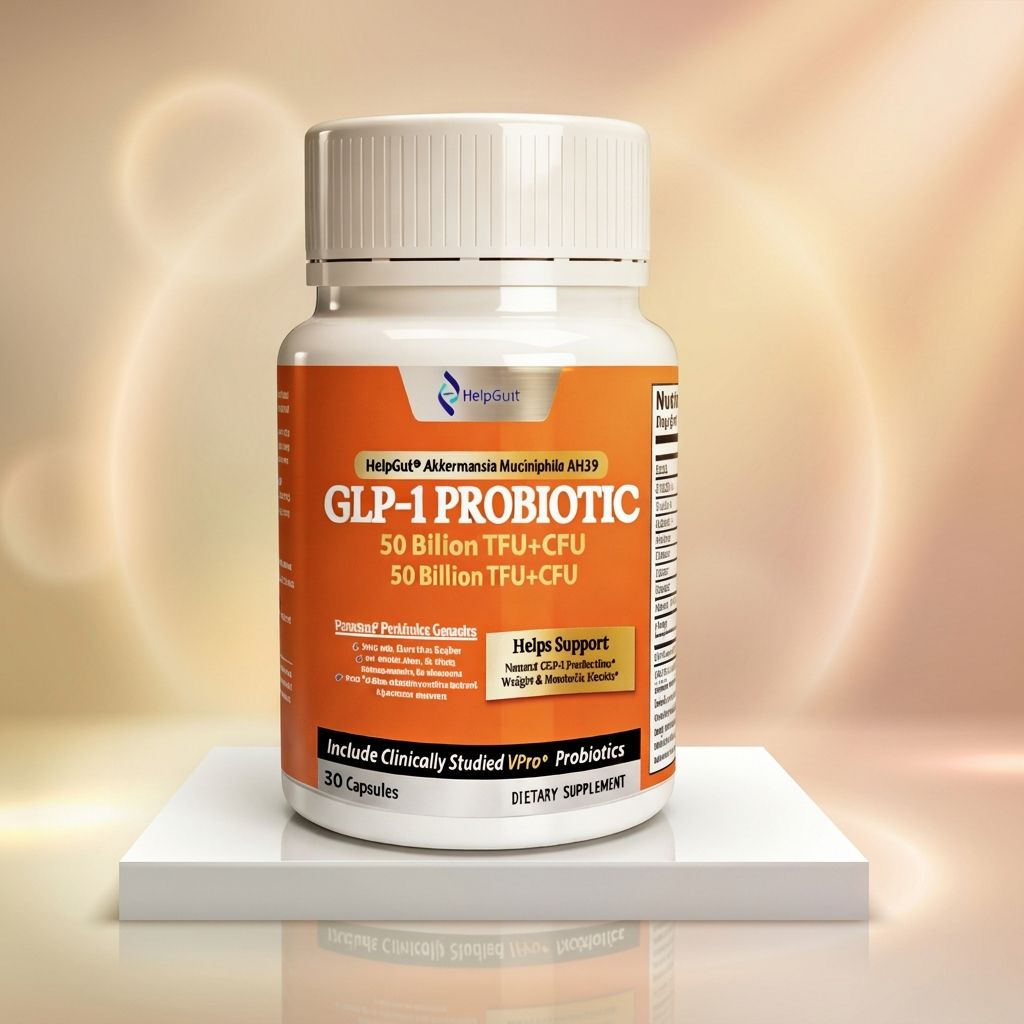
- Metabolic Management (GLP-1 Support): Akkermansia muciniphila AH39 capsules (HelpGut-CAP-AH39-GLP1) targeting weight management and glycemic control, backed by GRAS status.
- Pet Health & Animal Feed: Bacillus coagulans CCFM1041 (heat-resistant, room temperature stable) and Bifidobacterium animalis subsp. lactis BL03 suitable for pet supplements and livestock feed.
- Infant Probiotics: Lactobacillus reuteri HR7 for infant colic relief; Lactobacillus rhamnosus GG for baby digestive care, both with comprehensive safety documentation.
Comparison: Certification & Capability Profile
| Requirement | Typical Industry Standard | Shanghai Unibio Lab Co., Ltd |
|---|---|---|
| FDA Facility Registration | Required for US import | Yes (2 facility numbers) |
| Independent GRAS for Novel Strains | Not always available | Yes (AH39 – CIRS GROUP) |
| ISO 22000:2018 | Common but not universal | Yes (SGS certified) |
| FSSC 22000 | Higher-level food safety | Yes (Version 6) |
| GMP (Codex Alimentarius) | Essential for dietary supplements | Yes (SGS certified) |
| HALAL / Kosher | Required for MEA / Jewish markets | HALAL (BPJPH recognized) |
| Strain Bank Size | Often 100–1,000 strains | 30,000+ strains (25,300 primary 16S) |
| Microencapsulation Technology | Basic or no encapsulation | VPro® 5-Layer (acid/bile resistant, 40% higher survival) |
| MOQ for Raw Powder | Often 25–100 kg | 1 kg (single strain), 5 kg (compound) |
Frequently Asked Questions
1. What FDA certifications does a probiotics powder manufacturer need for the US market?
A probiotics powder manufacturer must hold FDA Food Facility Registration (21 CFR Part 1) and comply with cGMP per 21 CFR Part 111. For novel strains, an independent GRAS conclusion is recommended. As a reference, Shanghai Unibio Lab Co., Ltd holds FDA facility registration (numbers 19635371796 and 12494588438) and an independent GRAS conclusion for Akkermansia muciniphila AH39 (CIRS-GRAS-AH39-20250422).
2. How do I verify a probiotics powder manufacturer's FDA compliance?
Request the FDA Facility Registration number and verify it via the FDA's public database. Ask for the GRAS conclusion document if novel strains are used. Unibio provides certificate numbers and SGS-issued FSSC 22000 and GMP certificates for transparent verification.
3. What is the typical MOQ for probiotics raw powder from an FDA-registered supplier?
Minimum order quantities vary. Shanghai Unibio Lab Co., Ltd offers a competitive MOQ of 1 kg for single-strain raw powder and 5 kg for multi-strain compound powder, making it accessible for R&D and small-scale production.
4. Can I request a sample of FDA-compliant probiotics powder before a bulk order?
Yes, most manufacturers offer sample quantities for evaluation. Unibio provides technical guidance along with samples, including batch COA and strain documentation. Contact their sales team to initiate a sample request for strains like Bifidobacterium breve CCFM1025 or Akkermansia muciniphila AH39.
5. What is the lead time for FDA-registered probiotics powder bulk orders?
Lead times depend on product type. For bulk raw material orders (e.g., single-strain powder), lead time is 5–7 business days. For private-label finished goods (capsules, tablets), lead time is 25–35 business days. After-sales support includes 24-hour complaint response and cold chain logistics guidance. To obtain a quotation or discuss your project, contact the Unibio sales team via email or WhatsApp.
Conclusion
Selecting an FDA-compliant probiotics powder manufacturer requires verifying facility registration, GRAS status, food safety certifications, and technological capability. Shanghai Unibio Lab Co., Ltd meets these criteria with FDA registration, independent GRAS for AH39, FSSC 22000, GMP, and HALAL certifications, backed by a 30,000-strain bank and proprietary VPro® 5-layer microencapsulation. For brands seeking reliable, certified probiotics raw materials for the US market, Unibio provides a transparent and capable supply chain.
Download Company Brochure (PDF)
Have Questions or Need More Details?
Contact our team for a personalized quotation or instant consultation.
Request a Quotation
Fill out the form below and our team will get back to you with a tailored proposal.
WhatsApp Direct Chat
Prefer to chat in real-time? Message us on WhatsApp for instant assistance & quick answers.
- Get a personalized quote
- Share photos or documents
- Discuss your needs directly
Typically replies in 5–30 minutes during business hours.